
Modesty is not just a rule in Islam — it is a state of the heart.
It is a quiet strength. A hidden dignity. A form of worship that often goes unnoticed by people, yet is deeply beloved to Allah.
Modesty reflects how aware we are of Allah’s presence — not only in how we dress, but in how we speak, how we look, how we post, and how we carry ourselves when no one is watching. It is the difference between seeking Allah’s pleasure and chasing the approval of people.
In a world that constantly urges us to expose more, show more, and seek attention — modesty becomes an act of resistance. A declaration that your worth does not come from eyes on you, but from Allah above you.
Examples of Modesty in Islam
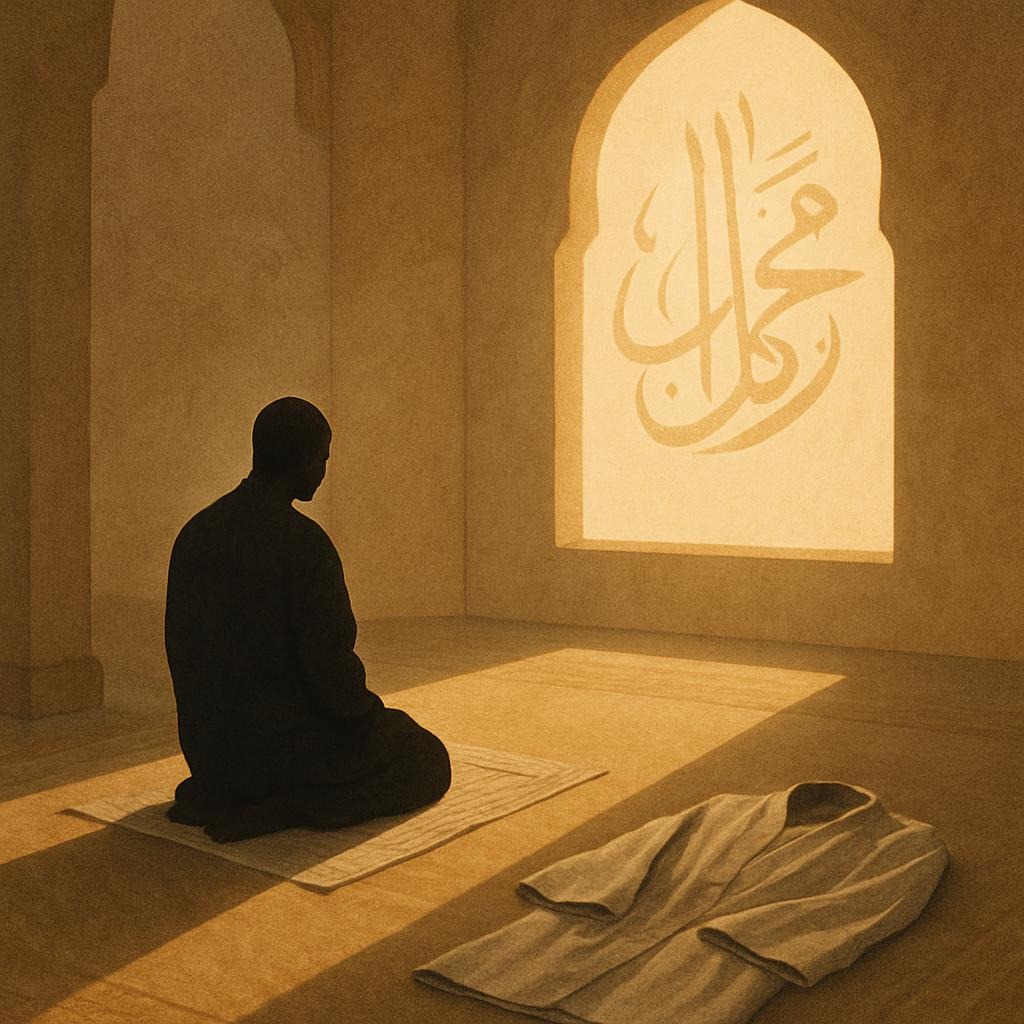
Some of the most profound lessons on modesty come not from speeches, but from lives lived quietly with sincerity. Among the companions of the Prophet ﷺ, two figures stand out as timeless examples: Uthman ibn Affan and Abu Ubayda ibn al-Jarrah — may Allah be pleased with them both. I love them for the sake of Allah, wallahi.
Uthman ibn Affan (ra), in particular, was known for a modesty so deep that it affected everyone around him.
Aisha (ra) reported that the Messenger of Allah ﷺ was reclining in her apartment with his thigh uncovered when Abu Bakr (ra) sought permission to enter. The Prophet ﷺ allowed him to enter and continued speaking in the same state. Then Umar ibn al-Khattab (ra) entered, and again, the Prophet ﷺ remained as he was.
But when Uthman ibn Affan (ra) sought permission to enter, the Messenger of Allah ﷺ immediately sat up and adjusted his clothing.
After Uthman (ra) left, Aisha (ra) asked why the Prophet ﷺ had not done the same for Abu Bakr or Umar.
The Prophet ﷺ replied:
“Should I not show modesty to one before whom even the angels show modesty?”
(Sahih Muslim 2401)
Pause here.
This was not fear. This was not formality. This was respect for a man whose modesty was so sincere that even the angels honored it. A man whose humility reached the unseen realm.
Ask yourself — when was the last time our presence reminded others of Allah?
Modesty Is a Shield
Modesty in Islam is not restriction — it is protection.
It shields the heart from arrogance, the eyes from temptation, and the soul from slowly drifting away from Allah. Once modesty fades, sins feel lighter, boundaries blur, and shame disappears.
Allah is Al-Hayy (The Ever-Living) and Al-Azeem (The Magnificent) — names that reflect dignity, restraint, and honor. When a believer practices modesty, they reflect these divine qualities in their own limited, human way.
Allah says:
“O Prophet, tell your wives and your daughters and the women of the believers to draw their outer garments over themselves. That is more suitable so that they will be recognized and not harmed. And Allah is Ever Forgiving, Most Merciful.”
(Qur’an 33:59)
Modesty preserves dignity. It protects the believer — not only from others, but from their own desires.
Modern-Day Immodesty & Social Media
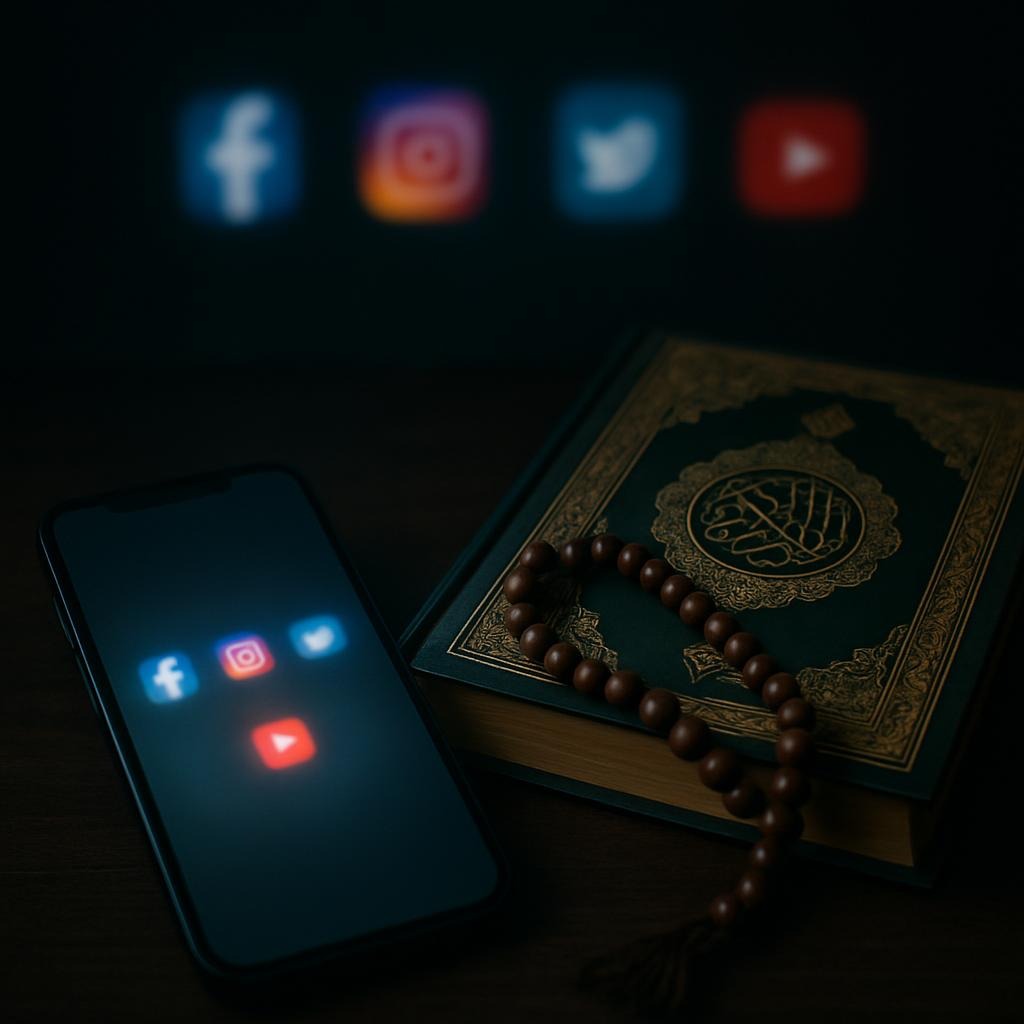
Today, immodesty is marketed as confidence. Exposure is framed as empowerment. Attention is mistaken for worth.
Platforms like Instagram, Snapchat, and TikTok reward revealing clothing, flirtation, and self-display. The more you show, the more you are seen. And slowly, modesty begins to feel uncomfortable — even embarrassing.
But Islam does not bend with trends.
Its guidance is timeless. And now more than ever, modesty must extend into our digital lives.
How Modesty Applies to Social Media
Modesty in Intention
Before posting, pause and ask yourself:
Who am I doing this for?
Is it for Allah — or for validation, attention, and praise? In Islam, intention is not secondary. It is the foundation.
Lowering the Gaze — Digitally
Lowering the gaze is not limited to physical spaces. Our screens test our hearts daily. Guard what you watch, like, save, and share. What you consume shapes who you become.
Modesty in Appearance
Posting revealing or attention-seeking images — even casually — contradicts the spirit of modesty. The Prophet ﷺ warned:
“There will be women who are clothed yet appear naked… they will not enter Paradise nor smell its fragrance.”
(Sahih Muslim 2128)
This warning is heavy — because modesty is serious.
Modesty in Words & Captions
Immodesty is not only visual. Flirtatious captions, suggestive jokes, and self-promotion feed the ego. Islam calls us to humility in speech as much as in appearance.
Do Not Seek Fame Through Immodesty
Social media rewards fame.
Islam rewards sincerity.
The Prophet ﷺ said:
“Whoever seeks fame, Allah will expose him.”
(Sunan al-Tirmidhi)
And in another powerful narration, Aisha (ra) reported that the Messenger of Allah ﷺ said:
“Whoever seeks the pleasure of Allah by the displeasure of the people, Allah will suffice him against the people. And whoever seeks the pleasure of the people by the displeasure of Allah, Allah will leave him to the patronage of the people.”
(Sunan al-Tirmidhi 2414)
This is the heart of modesty in the age of social media: choosing Allah’s pleasure even when it costs you attention, praise, or approval.*
A Duʿāʾ for Online Modesty
“O Allah, beautify my inner character as You have beautified my appearance.”
Remain Steadfast
One day, every screen will be dark. Every post will be closed. Every account will be forgotten.
But your deeds will remain.
Allah says:
“Tell the believing men to lower their gaze and guard their chastity… and tell the believing women to lower their gaze and guard their chastity.”
(Qur’an 24:30–31)
And the Prophet ﷺ reminded us:
“Modesty is a branch of faith.”
(Sahih Muslim)
When you log off, ask yourself:
Did this draw me closer to Allah — or further away?
May Allah grant us modesty that protects our hearts, purifies our intentions, and raises our rank — in this world and the next.
Āmīn.

Leave a Reply